Dar Si Hmad for Development, Education and Culture is an independent nonprofit organization founded in 2010 promoting local culture and sustainable initiatives through education and the integration of scientific ingenuity in Southwest Morocco. We operate North Africa's largest fog harvesting project, providing villages with access to potable water. Our Water School and Girls' E-Learning Programs build capacity in the Anti-Atlas Mountains. Through our Ethnographic Field School, researchers and students engage with local communities in Agadir, Sidi Ifni, and the rural Aït Baamrane region for meaningful cross-cultural exchange.

Showing posts with label Agadir. Show all posts

Wednesday, February 3, 2021

Dar Si Hmad January 2021 Highlights

Should you have guessed that l’3mART n’Id Yennayer is what made the highlight of Dar Si Hmad in January 2021, then you are right!! In addition to this inspiring celebration, other events took place this January in DSH and find them below.

You’re out of the loop? No worries! read through this article to get all the information!


So, let us start with this special event that took place in Dar Si Hmad at the beginning of January. We named it L’3mART, an Amazigh word that signifies “presence, assembly, charisma or company.” A two-day webinar discussing the history and the symbolism of the new Amazigh Year celebration  called Id Yennayer by North Africans. The event included also a culinary component, performance by some artists; everyone enriching this event in a special way.

Watching the recording of these insightful webinars is like a door leading to an inspiring cultural celebration. Click on the following hyperlinks to take you straight to them!

Day 1 Webinar   - Day 2 Webinar

A picture containing text, living, table, family

Description automatically generated

Before the diffusion of L’3mART, Dr. Jamila Bargach, the E.D of Dar Si Hmad, signed a partnership with a third space named Espace Hashtag, to introduce our organization to their followers in a live video on Instagram. Espace Hahstag is an open space that welcomes and encourages young people to meet the space’s mission of  promoting entrepreneurship, engage in social economy, and create networking possibilities for its members -- and of course all of it in a fun and friendly atmosphere. 
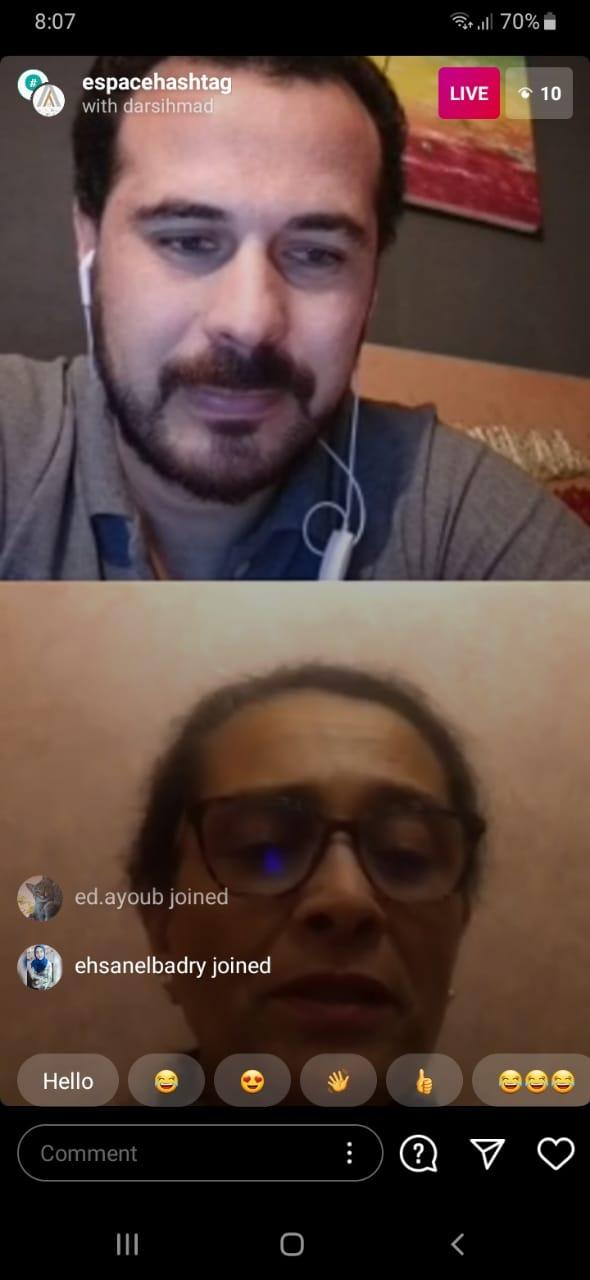
The live idea was part of the communications plans of Espace Hashtag to have also celebrated L’3mART distantly with us from their center. But that wasn’t the only thing; on its end Dar Si Hmad released 8 videos with powerful Amazigh sayings that prepared the ground for the upcoming webinar’s theme. To watch them, check our Youtube Playlist entitled L’3mART !

Much logistical planning was  going on behind the scenes to make this event successful.

Enough talking now about L’3mART and let us tell you about the other highlights of January 2020 as we got back into the swing of things!

Again, Dar Si Hmad has welcomed a new employee to the organization. Leo, who's very special and resembles none of the staff. It is a German shepherd to be the guardian of our pedagogical farm and all the precious organic goods that grow on it. Unlike its fellow humans, Leo doesn’t need to learn the ropes, he came fully prepared for his new job position.

Two students and volunteers also joined Dar Si Hmad this month. Their names are Delana Sobhani and Jack Carew. They are studying Darija, Classical Arabic and Tamazight through our CELAR program, but also delivering English language lessons to our staff. Delana and Jack are offering these volunteering hours during their research period that is part of the US Fulbright program.

And finally come the in-person meetings with different state institutions to better serve our developmental and educational services, projects and programs.
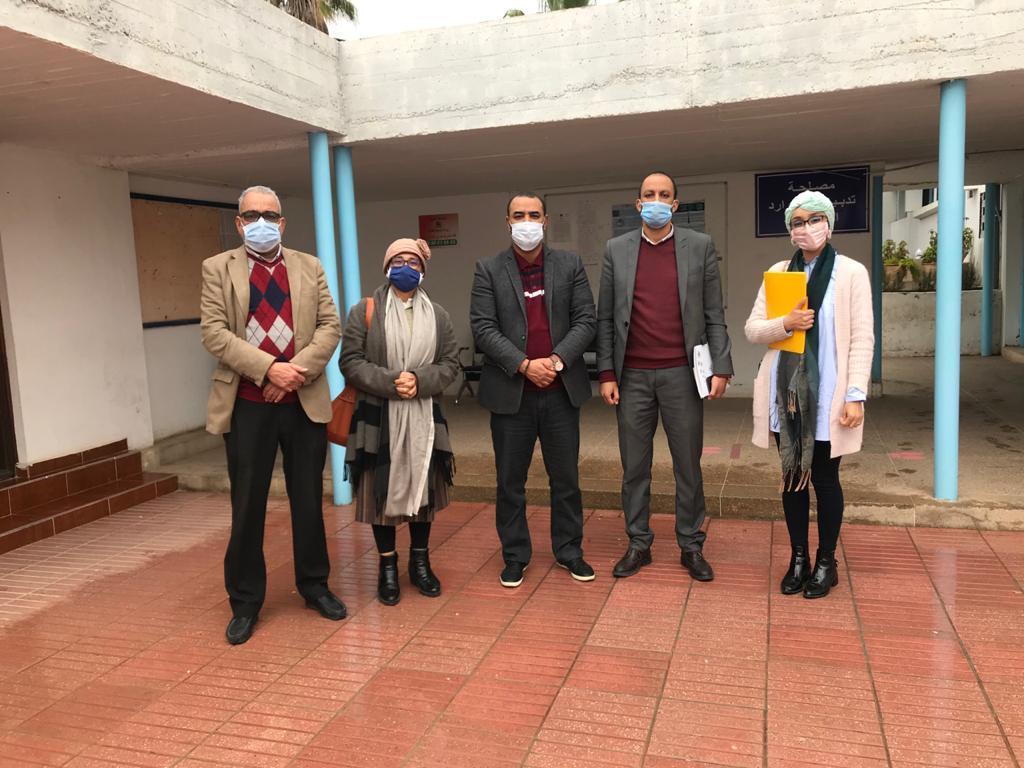
On the 6th of January, a meeting was held at the Regional Directorate of the Ministry of Education of Agadir Ida Outanane Province. Dr. Jamila Bargach and Dar Si Hmad’s office manager Samira Arjdal discussed the terms of the partnership agreement to be held between the two parties in the near future. The core of which is developing educational programs for the benefit of middle school and high school students in the province.
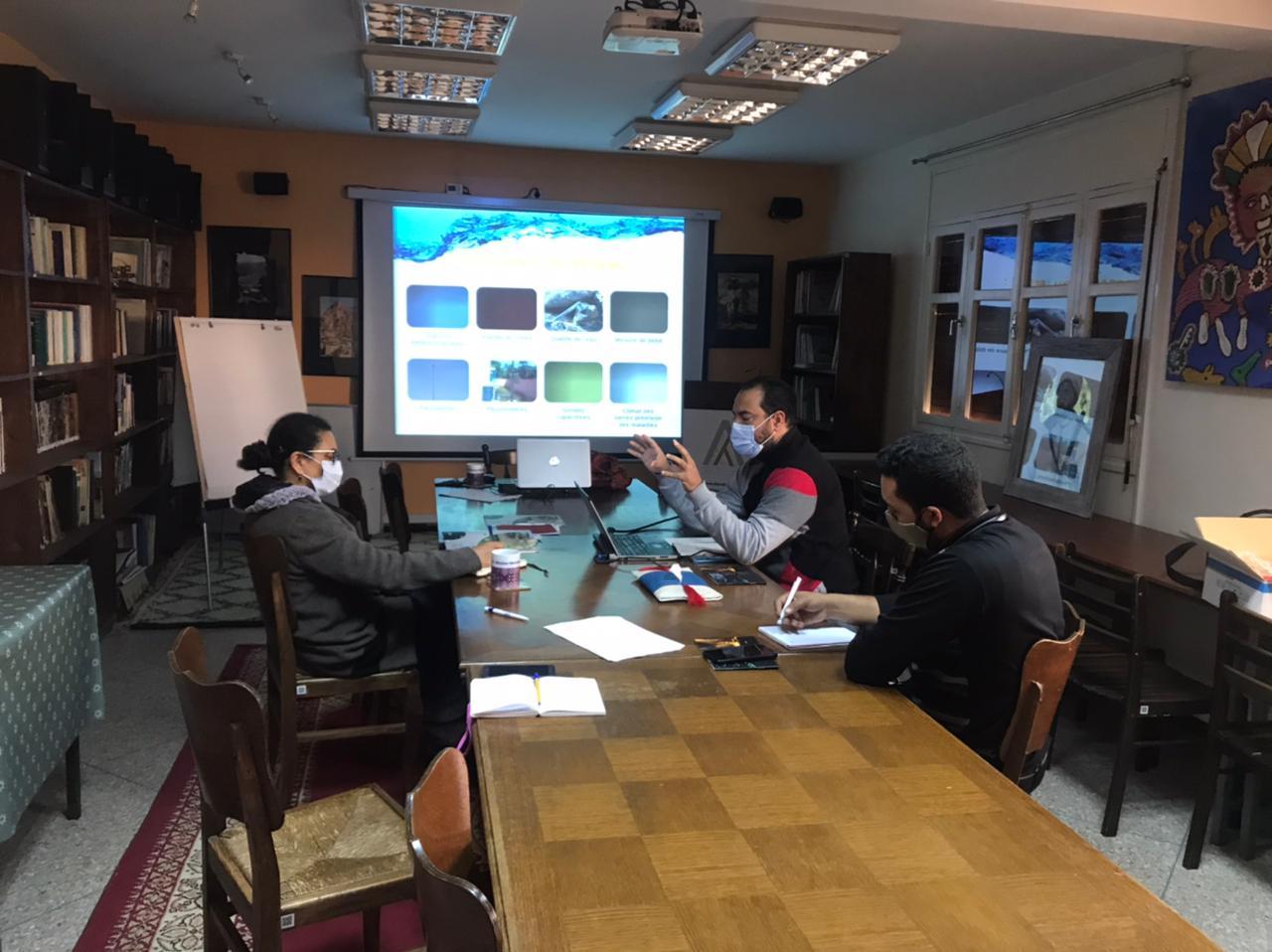
On the 6th of January, a meeting was held at the Regional Directorate of the Ministry of Education of Agadir Ida Outanane Province. Dr. Jamila Bargach and Dar Si Hmad’s office manager Samira Arjdal discussed the terms of the partnership agreement to be held between the two parties in the near future. The core of which is developing educational programs for the benefit of middle school and high school students in the province.

And our all-time projects continue despite all the unusual conditions relating to the pandemic.

The fog harvesting project
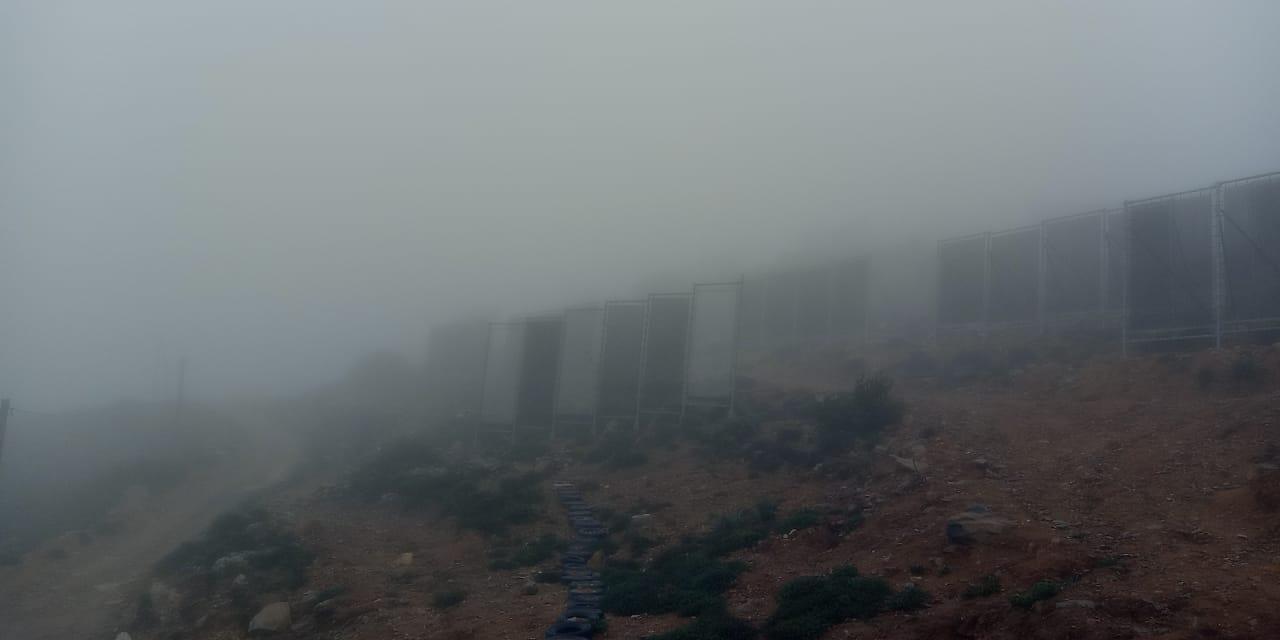
A picture containing outdoor, sky, nature, dirt

Description automatically generated

Botany tests in Foundation Si Hmad Derhem for Agdal Id-Aachour Pedagogical Farm
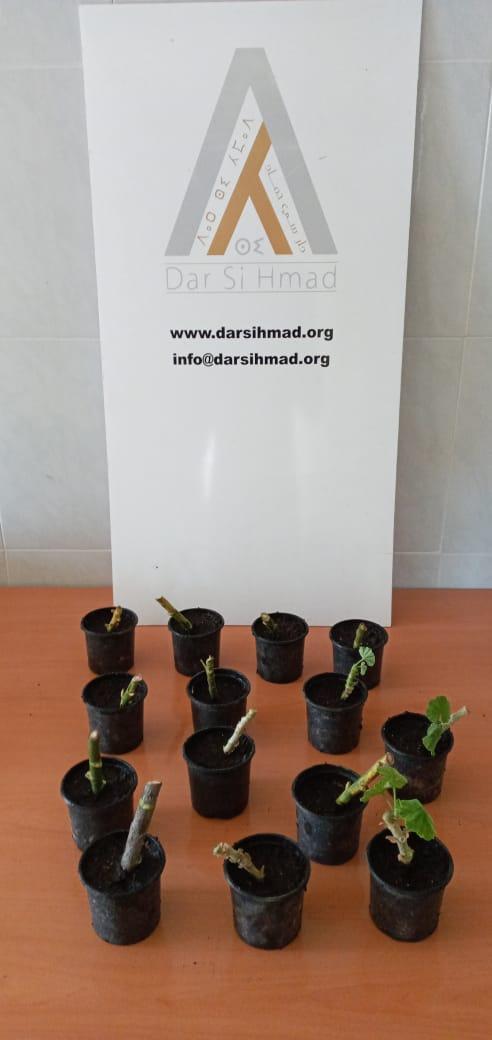
A picture containing text, wall

Description automatically generated

 Grace Online English language lessons
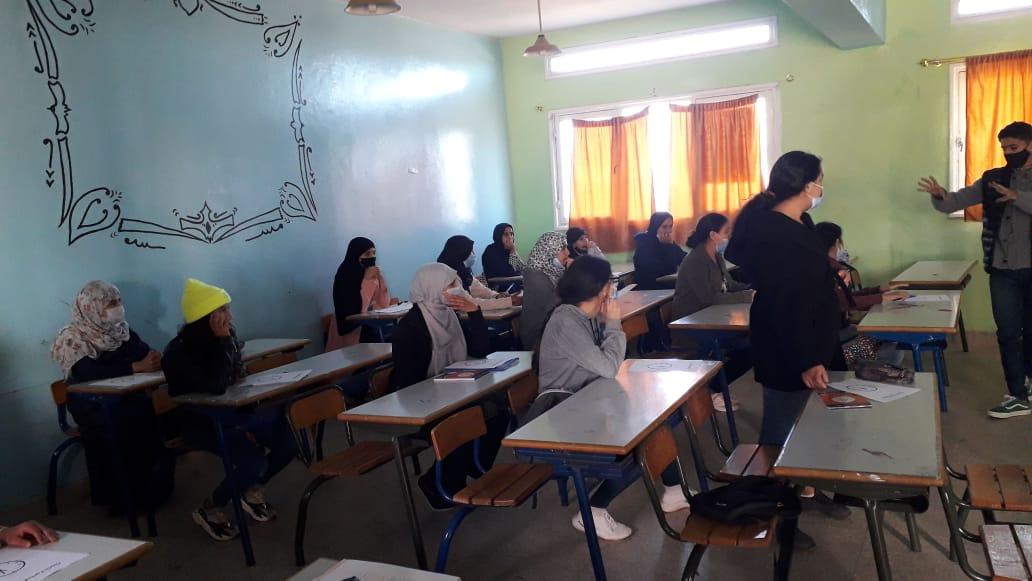


Saturday, August 22, 2020

An overview on the Summer Tech Camp 2020

Saturday 15th August 2020 wrapped up ten days of the third edition of the Summer Tech camp, organized by Dar Si Hmad for Development, Education and Culture. 


The camp offered an amazing learning opportunity for young unprivileged girls in Middle school or entering High School, to initiate them in technology and a better, safer use of the internet.  Each day the camp ran from 9:30 am to 4:00 pm with a communal breakfast and the launching of the day with an ice breaker activity for fully energized sessions.

The camp curriculum is inspired from the last editions of the Summer Tech Camp, Sifna Teknologia, with few updates based on this year’s beneficiaries’ needs. As its name indicates, the Summer Tech Camp’s main topic is "Technology," yet it features sessions related to critical thinking, to personal discovery, self awareness and to soft skills such as public speaking or team work that the girls will inevitably need both in their personal and professional lives.

The first day of the camp was all about introductions: the camp and Dar Si Hmad. We then played many games to discover more about the girls and build a solid network. We were impressed by the variety of talents that made up the program and the different skills the girls had:  some could sing beautifully, some played football (a predominantly male sport), some were iron ball players, some were active Turkish language learner, many were K-POP fans, and all loved gaming  and are passionate young women. 

Then, we established together the group rules, we call it our constitution, in order to guarantee a healthy, comfortable and enjoyable learning experience for everyone. 

After lunch we introduced the girls to the technical world of computers and the ABCs of web surfing. The girls were very interested in the new information and facilities they discovered, especially that they knew the internet through phones and many of them rarely use a computer. To apply what they have been taught, the girls were asked to do Webquests on different topics and share their results with their peers.

On the 2nd day, the girls watched a TED Talk video about the “Hole in the wall” experiment. Each one expressed her opinion about the experiment and how we can relate to it as technology knowledge seekers. Next, we talked about the difference between software and hardware. We practiced installing Mozilla Firefox and learned more about the facilities extensions we could bring to the web browser we used. ALEXA was one of the extension examples we focused on especially that it was needed for the workshop on sources of credible information, on detecting fake news, on avoiding illegal downloadings and plagiarism. The 2nd day was also the occasion for girls who do not have an email address to create one and write their first email. As new High-Schoolers expected to give presentations, we initiated them into powerpoint and Google slides use.

Day 3  started with an open discussion about the stereotypes girls have about the technology world. Followed by two Ted Talks about computer science and women in technology; the girls found more arguments to better express themselves about the topic. In the following session, the girls understood the principle of Wikipedia, its accuracy and practice advanced search Google offers.

“Video games” was an interesting session especially for those who love gaming, and they were surprised to discover the other side of video games through gender representation in video games. Girls realized how important it is to be aware of everything they consume from the internet. We then suggested some instructive games and clarified that learning can happen through fun games.

Given the current situation of the pandemic and the schools’ lockdown, we figured out that the girls will need a session related to online learning and the possible platforms that can be used for this end. The girls mentioned that they only used Whatsapp groups to study and did not know there were other platforms that would offer them a better virtual learning experience; that is when we introduced them to different platforms such as Zoom and Teams, and we eventually had a class simulation on Google meet. The girls learned how to launch a virtual class themselves and invite their friends.

To clarify the importance of self awareness we tackled on Day 3, the program of day 4 started with a session on critical thinking, its definition, steps and effective tools to shift one’s way of thinking. After a practice in which girls had to think and use their mental abilities, they had a workshop on DIYs and had free time to find a DIY idea and determine the materials they will need. In the afternoon, the girls had a workshop on digital photography that focused on practical techniques/criteria to take good pictures and edit them online in a way that would  guarantee an effective story telling. 

Day 5, we could not have the planned visit to the Berber Museum, closed because of the pandemic. We started the day with a discussion on museums, their importance and the girls' experiences in museums. We then introduced them to the platforms that can allow them to visit far away museums without moving from their chairs or buying a ticket. After that, we had a workshop on videography. We started the workshop by projecting the videos Khadija Amahal had made as a summary of the previous days of the camp. The girls were excited for the tips and the techniques of videography that would allow them to make such videos themselves.

At the end of the workshop we asked the girls to practice what they learned so far and make videos on their own about any topic they want. We gave them video ideas to guide their thinking; an interview, a set of pictures telling a story with a sound, voiceover or a vlog of a day in the camp.

Day 6 was a pause from the serious workshops and an opportunity for the girls to have fun through playing a variety of games that needed effective team work. The afternoon was solely dedicated to working on the DIY projects and presenting them in front of their peers.

Day 7 and back to serious work! The first thing we think about when we hear technology is the weird writing that we call a code, so it was important to include a session on coding and binary alphabet. Coding might seem very complicated yet if explained through games it becomes fun and easy to understand. In the afternoon the girls were introduced to AI artificial intelligence and had an open discussion about its uses in our daily life, its future and limits.

Day 8 was a personal discovery journey. Girls enjoyed taking personality tests and found out more about their strong points. The afternoon was a session on possible schools and majors the girls can pursue. Also, the girls were very excited for the exchange programs session especially that the facilitator Khadija told them previously that she had visited many countries through exchange programs.

Day 9 the girls had to work on their final projects (presentations and videos) so as to share them within the afternoon. Before the presentations we included a session on Public Speaking so that they have an idea about the way they should present their project. The girls’ final projects incredibly rewarded our efforts. Upon completion of the training, the participants seemed to take our feedback into consideration.


On day 10 participants showed their satisfaction about the training and they expressed wishes to take part in future programs organized by Dar Si Hmad.

Written by: Hanane Ben Belaid, STC assistant and facilitator

Wednesday, March 18, 2020

Dar Si Hmad highlights of February 2020


As Dar Si Hmad spent last January laying the foundation for many exciting projects for this year, February was marked by the bustling movement in and out of the office.


Below are some of the highlights of February 2020:


On February the 3rd, three professors from Quinnipiac university joined Dar Si Hmad as part of our Ethnographic Field School. Their visit was filled with informative stops. From exploring the staggering Cité de l’innovation and understanding the agriculture and water issue relation at the APEFEL, to feasting on organic food that has grown in a permaculture farm that surged in the middle of Guelmim desert, to finally hiking to our fog harvesting site and witnessing water production from fog.

Image may contain: 3 people, people standing

Right after their departure, our executive director and EFS manager moved to Marrakech in order to meet with a group of students from Lewis & Clark college and guide them around CIPA, the crossroad of agro-ecological initiatives and practices, in the suburbs of the city. These students are presently with us, to fulfill a part of their study-abroad program.
Image may contain: one or more people, people standing, mountain, sky, child, outdoor and nature

The next highlight of last February was the visit of three young explorers to our office. With an aim of promoting scientific research in the field of sustainable development, they had Dar Si Hmad fog project documented, before heading to Domaine Nzaha for permaculture near Guelmim, that also worked its magic on them.
Image may contain: 1 person, sitting, table and indoor

The following visit to our office was of a group of students from the SIT, School for International Training in Rabat. Their Stop in Dar Si Hmad gave them the opportunity to hear about the harvesting fog project and also to meet our Ethnographic Field School manager, Ms.Perry Demarche, who is an alum of the same Journalism and New Media SIT program.
Image may contain: 14 people, people standing and indoor

The following day, the 21st of February, Ms.Khadija Benhami, the head of the partnerships and cooperations department in the Provincial Delegation of Education in Agadir, came in the company of a teacher and the principles of two schools that are prominent for the environmental education they give. Many common issues were tackled during the meeting we had, and a more active cooperation was programmed for the future.
Image may contain: 7 people, people standing and indoor

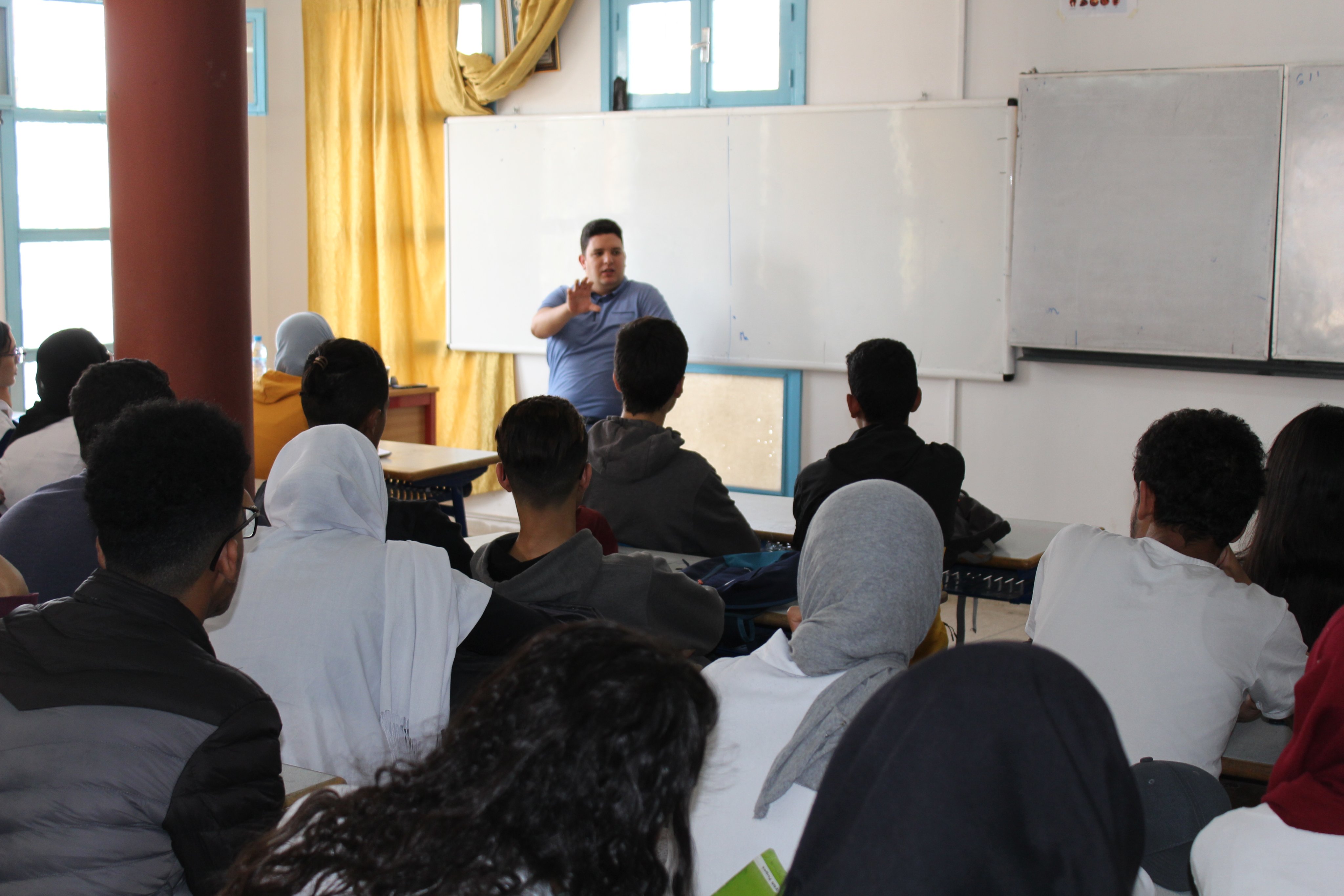
The last week of the month was however the busiest. On Tuesday the 25th, we had Mr.Adam Bouhadma, the CEO of the educational platform 9rayti.com, hosted in Ibn Maja high school, an institution with which we coordinate to activate both our Rise program for this term and their environmental club. During his visit, Mr.Bouhadma answered some students’ inquiries on studying to achieve their personal and professional goals. This session was particularly interesting for the IT enthusiasts.
Image

Two days later, a former intern in Dar Si Hmad, and one of the Environmental Youth Ambassadors, came back to the organization, this time as a member of 3W Academy to lead a programming workshop that benefited more than 25 students. On the same day, we had members from the social club of the National School of Commerce and Management collect some food DSH donated for the humanitarian caravan those students were organizing. We were so happy to see them grateful for our act.
Image may contain: 2 people, people sitting

Image may contain: 7 people, people standing, shoes and outdoor

Friday after, we had our first session of Ljamae Azgzaw, our new monthly event that aims at raising people’s awareness on environmental issues especially in Agadir. In its first appearance, we had the staff of Surfrider Foundation Maroc animate a workshop on climate change and the relation between the ocean and the climate. This session has exceptionally stirred the tensions of the attendees who all felt concerned about the climate crisis.
Image may contain: 1 person, standing and indoor

Besides these high points that made of February 2020 a special month in DSH, our steady big projects still are continuously running to fulfill the number 1 aim of the organization.

Friday, July 19, 2019

Learning Across Continents: Reflections on a moroccan summer

Written by the EFS Student Kenia Hale
 Kenia Hale is an American student from Yale University who participated in WEGI’s 3 week intensive on race, gender an environmental studies. Kenia is receiving assistance on her academic research from DSH staff and has been taking daily intensive Darija lessons in the organization.

When I arrived in Morocco 5 weeks ago, I wasn’t sure what to expect. I knew Morocco was on the African continent, and had taken 1.5 years of modern standard Arabic, but I knew nothing about the culture or history of the place. In my time with Dar Si Hmad and the Women’s Global Empowerment Initiative (WEGI) I’ve learned so much more about the world, and have learned more about myself in the process.

In my first three weeks here, I participated in an intensive program where we learned about race, gender, social justice, and environmental justice in Morocco directed by Dar Si Hmad. Each day comprised of a Darija (Moroccan Arabic) lesson, a class on a specific subject, and daily excursions that provided context for the issues we discussed in the classroom. We learned about Amazigh history, Sub-Saharan Migration in Morocco, Gnawa culture, and much more! In just three weeks I found myself rethinking my perceptions of race, gender, and culture in my daily life.
As a dark skinned Black woman, my race and gender color defined my experiences at home and abroad. Morocco is, as described by our program coordinator, an incredibly “plural” place, and we are constantly surrounded by people of every color. My friends and I were told that any of us could pass as Moroccan, which I understand to be true when looking around the market, the beach, etc. This being the case though, it was often our lighter-skinned group members that are told that they “look Moroccan” by shop owners and others we interact with. I’ve been asked if I’m from Jamaica, Cameroon, Côte d'Ivoire, and many other sub-Saharan countries, and have been told that I “look too black to be American.” These experiences have complicated my understandings of “Blackness” at home and abroad, and challenged many of my preconceptions of who can be considered “African.”
Kenia and her fellows taking the lessons directed by Dar Si Hmad
Morocco is so beautiful, and I’ve experienced so many different parts of it in my time here. In Marrakesh, I got to visit the bustling medina, shop in the huge souks, and visit popular landmarks like Jemaa el-fnaa, Jardin Marjorelle, and Bahia Palace. In Sidi Ifni, we relaxed in our town house and got to visit Dar Si Hmad’s fog project, which is definitely a sight to see. That day in particular it was really cloudy and misty, and it was really cool to see the fog nets in action! We traveled to Aourir where I saw the biggest waves and bluest ocean I’d ever seen in my life. We visited a women-led Argan Collective, where we learned about the argan business and tried cracking Argan nuts. I’ve spent most of my time in lovely Agadir, a city on the South coast of the country, where I’ve been living with my incredibly kind and welcoming host family. They’ve provided me a home away from home, and my host mom makes the best avocado smoothies I’ve ever had!
In Dar Si Hmad's fog proect Site

I’ll be here for a total of 8-weeks, and have been doing my own independent research on development and technology with the help of Dr.Bargach and the DHS staff, alongside a PhD candidate working on research for her dissertation. I’ve also been continuing my daily intensive Darija lessons, and I can feel myself learning so much every day. I can now successfully hail a taxi, ask about prices in the Souk, order food at a restaurant or ask my host mom to take us to the beach. I know colors, numbers, how to tell time and ask directions, and much more. The constant immersion in the language is helping me pick up the language so much more quickly than I did at school!
This experience has both helped me realize how much I already know and how much I have left to learn about the world and myself. I’ve met lifelong friends and can feel myself growing into a more worldly person every day. I’m incredibly inspired by the people I meet and the work that DHS is doing in the community, and I’m so glad I took this leap and traveled this summer!

Friday, July 12, 2019

Learning Across Continents: Learning across one continent


Written by DSH intern Walid Zarrad:

Walid Zarrad is a Tunisian intern in Dar Si Hmad who has demonstrated strong organizational skills in managing the organization's inventory, both in Agadir and in Sidi Ifni, during his stay in Morocco.


While traveling to a new culture, you learn something new every second. It might sound cliché but from the moment you arrive, lessons start flooding in; and these lessons include everything from culture studies to linguistics.
As a Tunisian, I thought traveling to a country as close as Morocco would mean avoiding the culture school. I quickly understood that instead of learning new things, I would be learning new things and comparing them to what I’m familiar with. In other words, the subtle yet omnipresent differences turned my trip into a game of “let’s find out how, why, and to what extend this is different!” And I loved it.
During my month in Agadir, I learned to turn into a sponge whenever I entered a drugstore or café. Hell, even walking down the street I wanted to grasp as much information as possible. What I used to believe was extra mental labor turned into a hobby.
And what better place to practice this hobby than Dar Si Hmad? I walk in and see hard-working, friendly, and diverse staff members mixing their different backgrounds to come up with outstanding projects. I walk in and meet student researches who are happy to teach me and learn from me. I walk in and learn how to use the anthropology that fascinates me to help communities in need.


This trip confirmed to me that every culture is an iceberg with a small part the world sees and a huge part you have to dive in the waters to find out about. And nothing is more fun and challenging than diving in head first. If you’re lucky enough, the swim will turn into a thousand questions. I was constantly thinking about all the factors that could have influenced a specific difference between Moroccans and Tunisians: is it the different decolonization processes? Is it the different approaches to arabization and westernization? Or is it just different geographies?


I am writing this from the top of Mount Boutmezguida, next to Dar Si Hmad’s Cloudfishers. Although I‘m 1225 culture meters high, I can see that higher mountains are ahead of me. I can’t wait.

Saturday, July 6, 2019

Summer Tech Camp 2019: Another Succesful Edition

Written by DSH intern, Ms. Salwa El Haouti
Additional to the multiple events Dar Si Hmad embraced during June of this year, the last week of the month has also witnessed the completion of the second edition of the Summer Tech Camp with satisfactory results. This educational program, which aimed at initiating underprivileged teenage girls to the digital world, also served girls with average prior knowledge on the use of the internet.
Although the main focus of this instructional program was the teaching of technology as its name indicates, the syllabi developed for the teenage beneficiaries comprised a number of other concerns all of which would certainly serve them on both the short term, as high school students, and the long term as active members in the job market and the society.
The first day of the camp was an opportunity for the beneficiaries to know one another and for the instructors to present an overall of the schedule of the week before inciting the girls to create their own classroom constitution. That session was also marked with the introduction to the technical jargon in relation to the computer, starting from the components of the hardware to the essential terminology that pertains to its software. The girls were also taught some ABC’s on surfing the web and were assigned some Web quests as a practice. Watching a Ted talk beforehand on the merits of being an IT girl and discussing it also contributed to maximizing the attention and interest of the Summer Tech Camp’s beneficiaries.

Day 2 was a continuation of the previous day’s lesson. This time, the girls were initiated to the web extensions and were offered examples on the ones they will most benefit from as young web browsers. Since all the girls are about to enter high school, it was necessary to show them how to use Google Docs and Google Slides. Above all, they were further instructed on how to detect real news and information from fake ones using internet tools, as they will be assigned to do divers researches from high school onward, all by giving the credit to the publisher of any content in order not to commit any plagiarism.
The third day of the summer tech camp started outdoors by visiting the local Amazighi museum of Agadir. This visit was an opportunity for the girls to learn and rectify many fallacious and erroneous ideas they once had on the Amazighi culture and history. The tour they had was intentionally planned to stimulate the girls’ curiosity on what one can learn in the museums and thus feel eager to visit more of them. Back in Dar Si Hmad, we guided them to websites where they could have a virtual 3D visit to internationally known museums such as the Louvre Museum in Paris. Having access to such content would definitely reinforce their overall historical and cultural knowledge, which will indeed benefit them throughout their lives. The afternoon of that session covered the right techniques of taking pictures and shooting a video, and also guided the girls to some editing platforms where they could modify and improve the quality of their pictures or make a short video film.
On the fourth day of the program, the girls demonstrated great interest and engagement with the course content. That day was consecrated to coding and Artificial Intelligence and had included many tasks for practice. The learners were then directed to some beginners’ coding websites, where they could learn and also practice the coding as they did inside the classroom. Each young girl by the end of the session has created an HTML web page, which comprised a head and a body where pictures and videos were also attached. In the last quarter of the day’s program, the focus was mainly put on the AI where the girls expressed clear astonishment at the level the technological field has reached.
The morning of day five was spent in the beach of Agadir. The girls had a blast playing competitive games with one another. They clearly needed a pause from the serious subjects they have tackled in class the previous days. The afternoon was also spared for them to make their own DIY projects where they gave vent to their creativity.

Similarly to the fourth day, the sixth one also evoked the engagement of the girls, but this time in deep discussion about themselves, how much do they know about their strengths and weaknesses and to what extent do they exploit their potential. The girls complained about the poor orientation they get in their schools about the educational prospects ahead of them, the organizing team of the camp also held a session of orientation where the girls’ questions and ambiguities were finally clarified. Moreover, scholarships’ opportunities for both high school and university students were also presented to the beneficiaries of the program, as they were also provided with tips on how to maximize their chances of getting one.
Day 7 was the last day of the camp and it was a chance for the girls to demonstrate what they had acquired throughout the week. The participants did a power point presentation on one of the various matters, which were treated during the program. The presentations were pretty inventive and originative as they tackled what they have learned from different perspectives.
Since this day marked the end of the camp, it, of course, included a number of fun activities before the participation certificates were given to the young beneficiaries. By all accounts, the week’s program described above is indeed a strong evidence on how successful the Summer Tech Camp of the year 2019 has been.

Friday, June 28, 2019

Capacity Building Program Closing Ceremony

Written by DSH fellow Katie Tyler
After eight months of lots of hard work, learning, relationship building, and fun, the Capacity Building Project has come to a conclusion!
This past Saturday we met with our participants and two of our trainers for the Capacity Building Closing Ceremony. Each pair of participants from the same NGO presented on their organization’s work to launch a new project based on the knowledge they have gained throughout the training workshops. Our participants have been hard at work during the past six weeks to turn their visions into concrete plans for change.
We were incredibly impressed by their innovative ideas as well as the amount they have learned over the course of the past eight months. The participants used tactics such as SWOT analyses, SMART goals, problem and solution trees, and GANTT charts to analyze their projects’ potential impacts and make thoughtful action plans. We expect to see great things from each participant in the coming months, as well as throughout the duration of their long and successful careers! 
After the participants finished sharing their plans for new projects, two of our trainers gave their feedback on the presentations as well as their final thoughts on the success of the training workshop series.  Our NGO president, Aissa Derham, and our Executive Director, Jamila Bargach, also gave concluding remarks on the work that went into developing this program. We celebrated our achievements with a delicious lunch prepared by our cooks Aatiqa and Hadda.
However, the impact of the Capacity Building Program does not end here! We have developed a Capacity Building Training manual in Darija that covers useful information for NGOs to develop their organizations. Each participant was given extra copies to distribute among interested leaders in development across southern Morocco. We also plan to make this manual available online to those who want to learn more about building their NGO’s capacity and maximizing their organization’s impact.
Although the program has officially ended, I hope that the participants will continue to maintain their relationships with each other and with Dar Si Hmad in order to support each other in their tireless work to support their communities. Since the goal of the Capacity Building Project was not merely to deliver instructions for change but rather to equip participants with the tools to improve themselves and those around them, participants will be able to continue to draw upon their knowledge to build NGOs’ capacity. Perhaps Dar Si Hmad will launch another Capacity Building Workshop, and these participants will lead their own initiatives to build other organizations’ capacities!